Share Post
You want to schedule your first deep tissue massage appointment because that knot in your shoulder won’t quit. You’ve heard deep tissue massage can help, but you’ve also heard it might be painful. Now you’re wondering if the relief is worth the discomfort.
One of the most common questions people ask before their first session is ‘Does deep tissue massage hurt?’ Many people avoid this powerful therapy because they fear the discomfort. Others think pain means the massage is working and accept unnecessary tension during sessions.
Here’s what you need to know about the massage and how to have the best experience possible.
Is Deep Tissue Massage Painful?
Deep tissue massage creates what people call “good pain” rather than actual painful sensations. The discomfort from the deep tissue massage happens because your therapist applies firm pressure to reach muscles beneath the surface layers.
Your muscles may feel tender as the therapist works through adhesions and scar tissue. Blood flow increases to these areas, which can create a sensation similar to a good workout.
Professional massage therapists use specific pain relief techniques to make the experience more comfortable. They start with light pressure and slowly increase intensity to warm up your tissues. The discomfort should feel productive, like stretching a tight muscle, not sharp or unbearable like an injury would feel.
Benefits of Deep Tissue Massage
Deep tissue massage offers powerful healing effects that go beyond simple relaxation. The targeted pressure reaches muscles that other treatments can’t touch, creating lasting benefits in how you feel and move. Advantages of the technique include the following:
Reduces Pain and Tension
Deep tissue massage therapy reduces pain by breaking up adhesions that press on your nerves. These tight bands also restrict blood flow, worsening your pain. The tough bands of scar tissue form from:
- Old injuries
- Repetitive motion
- Poor posture over time
When your therapist uses firm pressure, these bands break apart and free up trapped nerves. The treatment also triggers your body to release endorphins. They are natural painkillers stronger than many medications.
Blood flow increases during deep tissue work, bringing oxygen and healing nutrients to damaged areas. Better circulation also helps remove inflammatory chemicals that cause ongoing pain and stiffness.
Speeds Up Athletic Recovery
Deep tissue massage is one of the most effective types of muscle recovery massage. It helps people bounce back faster from intense training or competition.
The deep pressure flushes out lactic acid and other waste products that make muscles feel sore and stiff. Your muscles can repair themselves more quickly when the toxins are removed.
The treatment also prevents delayed onset muscle soreness that typically peaks 24 to 48 hours after exercise. Regular sessions help maintain muscle flexibility and prevent the microtraumas that lead to bigger injuries. Athletes who get deep tissue massage consistently report fewer injuries.
Reduces Stress and Mental Tension
Massage therapy triggers the release of serotonin and dopamine. These chemicals make you feel calm and happy.
Deep pressure helps your body shift out of fight or flight mode into a state of rest and recovery. During deep tissue massage:
- Your heart rate slows down
- Your breathing deepens
- Your mind stops racing
The mental benefits often last longer than the physical ones, helping you handle daily stress better.
Improves Sleep Quality
One of the major deep tissue massage benefits is better sleep at night. Muscle tension often keeps people awake or makes them toss and turn.
When your muscles relax from the massage, your whole body settles into deep sleep more easily. Pain that normally wakes you up during the night also goes away after treatment.
The massage lowers cortisol, your body’s main stress hormone. Lower stress hormones mean your brain can shut off and give you the deep sleep your body needs.
Boosts Flexibility
Many people ask ‘Does deep tissue massage hurt?’ because they worry the discomfort will make them stiffer. However, the treatment makes your muscles and joints move much better.
Stiff muscles develop when muscle fibers stick together from a lack of movement or old injuries. The massage separates these stuck fibers so they can slide past each other again.
Your joints move through their full range when the muscles around them are loose. With better flexibility, you can move without pain in daily tasks.
Pre-Session Preparation Tips
Getting ready before your appointment helps reduce massage therapy pain and makes the treatment more effective. Here are the main things to do before your session:
- Drink plenty of water two to three hours before your appointment
- For nutrition, eat a light snack one hour before treatment
- Avoid heavy meals right before the massage
- Take a warm shower to relax your muscles
- Wear loose, comfortable clothes
Communication Tips During Treatment
Good communication during your deep tissue massage keeps you comfortable and helps your therapist do their best work. Use simple words to guide the pressure level.
Tell your therapist which areas feel tight or need more attention during the session. Don’t wait until after the massage to mention something that bothered you.
Many people ask ‘Does deep tissue massage hurt?’ because they don’t know they can control the experience. Use a number scale from one to ten to describe pressure levels.
Treatments That Work Well With Deep Tissue Massage
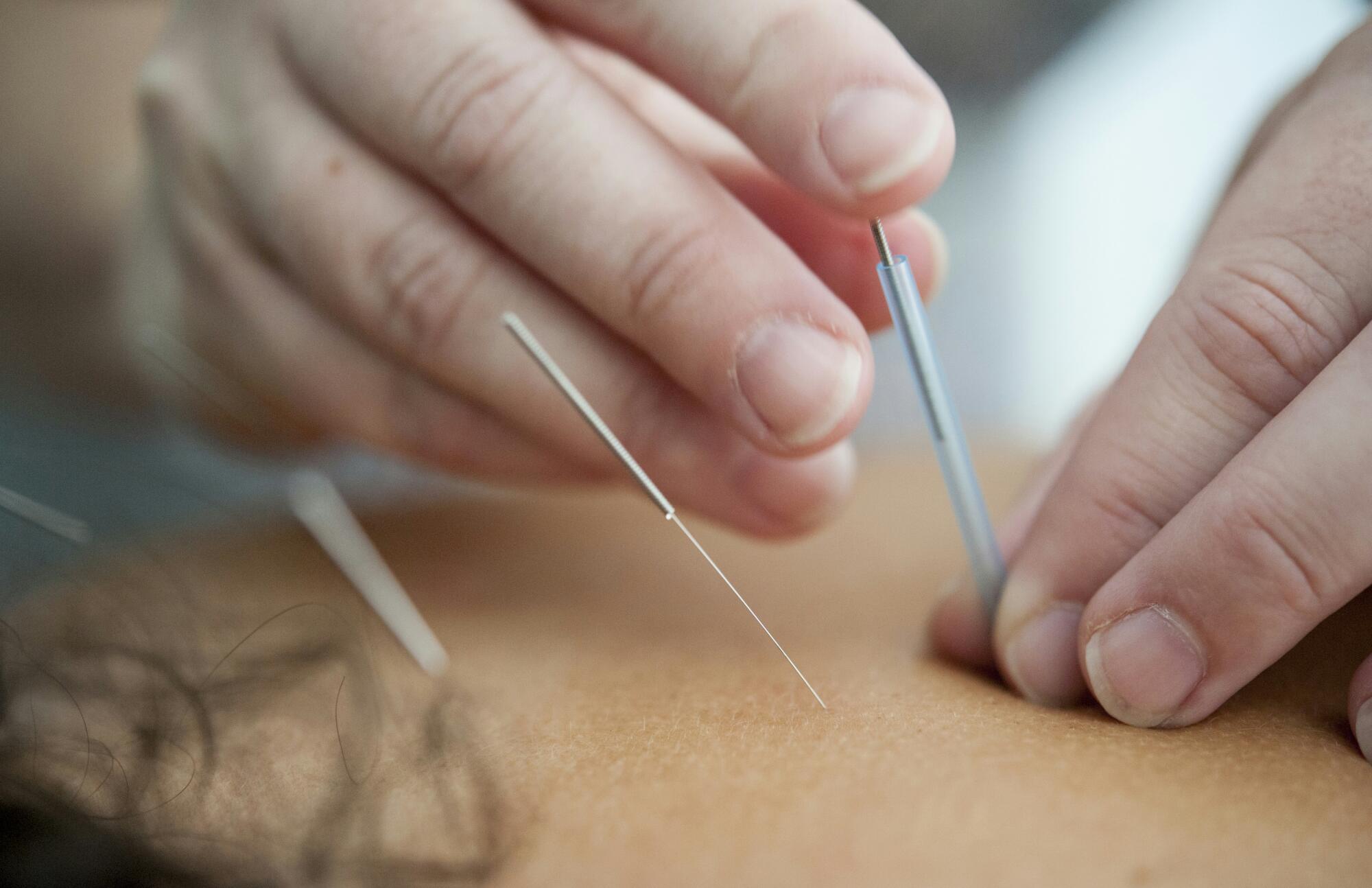
Several treatments, like dry needling, pair well with deep tissue massage to boost your healing results. Dry needling targets trigger points that massage might not fully release on its own. Other complementary treatments include:
- Swedish massage for relaxation
- Hot stone massage for muscle prep
- Sports massage for athletic recovery
- Trigger point therapy
- Heat therapy before sessions
- Physical therapy exercises
- Cupping therapy
Understanding the difference between massages helps you choose the right combination for your specific needs.
What to Expect: Does Deep Tissue Massage Hurt?
‘Does deep tissue massage hurt?’ is a common concern. The treatment reduces pain, speeds recovery, improves sleep, and boosts flexibility while creating therapeutic discomfort, not actual pain. Proper communication with your therapist ensures you stay comfortable throughout the session.
At MPOWER Physical Therapy, our team combines physical therapists, massage specialists, and nutrition experts working together in innovative indoor and outdoor turf facilities. We offer cutting-edge equipment like the AlterG Anti-Gravity Treadmill and access to nearby orthopedic surgeons.
Book online to schedule your consultation and experience the MPOWER difference in holistic therapeutic care.
About the Author: writers-amwn

Related Posts
According to a U.S. CDC report published in November 2024, almost one in four (24.3%) of American adults had chronic [...]

A study by Brigham Young University, as shared by Business News Daily, found that 66% of employees with unhealthy diets [...]

According to the National Library of Medicine, over 50 million people in the U.S. live with chronic pain. If you're [...]