Share Post
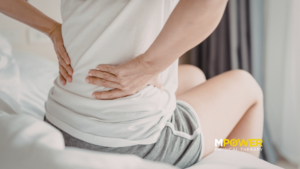
Lower back pain is one of the most common musculoskeletal conditions worldwide, affecting people of all ages and activity levels. Many individuals search for “physical therapy for lower back pain” hoping for long-term relief without medication or surgery. But what does research actually say works and what doesn’t?
Physical therapy (PT) is widely recommended by clinical guidelines as a first-line treatment for both acute and chronic lower back pain, especially when the goal is improving function and preventing recurrence rather than just masking pain symptoms.
Why Lower Back Pain Happens
Lower back pain is often classified as “non-specific,” meaning there is no single structural cause that explains the pain. Instead, it may involve a combination of muscle tension, movement patterns, joint sensitivity, stress, and lifestyle factors. Research from the National Library of Medicine shows that risk factors are complex and not always directly tied to visible damage on imaging like MRIs.
This is why two people with similar MRI results can have very different pain levels.
What Physical Therapy Actually Does
Modern physical therapy for lower back pain focuses on movement, strength, education, and long-term prevention. It is not just passive treatment like heat, massage, or stretching alone.
According to evidence-based clinical guidelines, effective PT programs typically include:
Exercise Therapy (Most Important Component)
Exercise is considered a first-line treatment for chronic low back pain.
The most effective programs usually include:
- Core strengthening
- Hip and glute strengthening
- Mobility training
- Graded return to activity
Research from the National Library of Medicine shows that exercise therapy can reduce pain and improve function in both acute and chronic cases.
Importantly, “exercise” in physical therapy does NOT mean random workouts. It refers to structured, progressive loading tailored to the individual’s limitations and goals.
Staying Active (Not Resting)
One of the biggest myths about lower back pain is that rest is the best solution. In reality, extended rest can slow recovery.
Clinical guidelines recommend continuing normal activities as tolerated, since movement helps maintain strength and reduces stiffness.
Walking and light movement activity can improve recovery.
Education and Pain Science
A major part of PT is helping patients understand that pain does not always equal damage.
- Understanding that the spine is strong and adaptable
- Reducing fear of movement
- Learning how to safely return to activity
- Avoiding over-reliance on imaging findings
This approach has been shown to improve long-term outcomes and reduce fear-based movement avoidance.
Manual Therapy (Supportive, Not Primary)
Techniques like joint mobilization or soft tissue work may help temporarily reduce pain, but research shows they are most effective when combined with exercise, not used alone.
What Doesn’t Work Well Alone
While many passive treatments are commonly used, they are not sufficient on their own for long-term recovery:
- Bed rest (can delay recovery)
- Passive stretching alone
- Heat or massage without exercise
- Relying only on imaging results for treatment decisions
Even spinal traction and other passive modalities show limited or inconsistent benefits for most patients.
What Actually Works Best
The strongest evidence supports a combination of:
- Progressive exercise therapy
- Consistent movement and activity
- Education and reassurance
- Individualized physical therapy programs
In both acute and chronic lower back pain, exercise-based interventions consistently show moderate improvements in pain and function compared to no treatment or passive care alone.
Final Takeaway
If you are searching for physical therapy for lower back pain relief, the most important thing to understand is this:
Physical therapy is not a quick fix. It is a progressive rehabilitation process that rebuilds strength, movement confidence, and resilience.
The best outcomes happen when patients:
- Stay active
- Follow a structured exercise program
- Avoid prolonged rest
- Work with a PT who focuses on function, not just pain relief
Lower back pain is complex, but research consistently shows that movement-based rehabilitation is one of the most effective long-term solutions available today.
If you’re dealing with ongoing lower back pain and want a more personalized, results-driven approach, working with a qualified physical therapist can make all the difference. At MPOWER Physical Therapy, our team focuses on identifying the root cause of your pain and building a customized plan to help you move better, feel stronger, and avoid unnecessary procedures.
Learn more about our approach to physical therapy for lower back pain and how we can help you get back to doing what you love by visiting our website: https://www.mpowermd.com/
With convenient clinics in Midtown, Green Hills, Brentwood, and Franklin, you can get expert care close to home. Find the location nearest you and start your recovery today.
Sources
Chou, R. (n.d.). Noninvasive treatments for low back pain. National Center for Biotechnology Information. https://www.ncbi.nlm.nih.gov/sites/books/NBK350276/
Delitto, A., George, S. Z., Van Dillen, L., Whitman, J. M., Sowa, G., Shekelle, P., Denninger, T. R., Godges, J. J., & Orthopaedic Section of the American Physical Therapy Association. (2012, April). Low back pain. The Journal of orthopaedic and sports physical therapy. https://pmc.ncbi.nlm.nih.gov/articles/PMC4893951/
Shipton, E. A. (2018, December). Physical therapy approaches in the treatment of low back pain. Pain and therapy. https://pmc.ncbi.nlm.nih.gov/articles/PMC6251828/
U.S. Department of Health and Human Services. (n.d.). Low-back pain and complementary health approaches: What you need to know. National Center for Complementary and Integrative Health. https://www.nccih.nih.gov/health/low-back-pain-and-complementary-health-approaches-what-you-need-to-know
About the Author: Maria Martini

Related Posts
You finished a challenging workout, and now your muscles are sore. But how do you know if that soreness is [...]
Recovering from an injury can be frustrating, whether it stems from a sports accident, workplace incident, car accident, or everyday [...]
Working out regularly is one of the best things you can do for your health, but without proper precautions, exercise [...]