Share Post
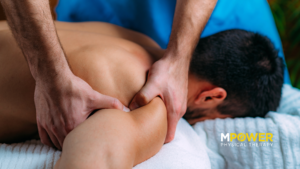
Recovering from an injury can be frustrating, whether it stems from a sports accident, workplace incident, car accident, or everyday activity. While rest and rehabilitation exercises are often the focus of recovery, many patients wonder if massage therapy can help them heal faster and feel better. The answer is yes, when used appropriately and as part of a comprehensive rehabilitation plan.
At MPOWER Physical Therapy, we believe in combining evidence-based treatments to help patients recover safely and efficiently. Massage therapy can be a valuable tool during injury rehabilitation but understanding when and how to use it is essential.
What is Massage Therapy?
Massage therapy involves the manipulation of soft tissues, including muscles, tendons, ligaments, and connective tissue. Different techniques are used depending on the patient’s condition, goals, and stage of recovery.
Massage therapy is commonly used to:
- Reduce muscle tension
- Improve circulation
- Decrease pain and stiffness
- Promote relaxation
- Improve mobility and flexibility
- Support recovery from soft tissue injuries
Research from the National Center for Complementary and Integrative Health (NCCIH) suggests that massage therapy may provide short-term relief for various pain conditions and can be an effective complement to traditional rehabilitation programs.
Can Massage Therapy Help After an Injury?
Yes, but timing matters.
Immediately after an injury, the body enters an inflammatory phase. During this stage, aggressive massage techniques may not be appropriate. However, once the acute inflammation begins to subside, massage therapy can help support the healing process.
When integrated into a physical therapy program, massage therapy may help:
Reduce Pain and Muscle Tension
Injuries often cause surrounding muscles to tighten as the body attempts to protect the affected area. This tension can lead to discomfort, reduced movement, and compensation patterns.
Massage therapy can help relax tight muscles and decrease pain, making it easier for patients to participate in therapeutic exercises and daily activities. Studies have found that massage therapy may help reduce pain and muscle tightness while promoting relaxation.
Improve Circulation
Healthy circulation plays a critical role in tissue repair. Improved blood flow helps deliver oxygen and nutrients to healing tissues while assisting with the removal of metabolic waste products.
Massage therapy may support circulation and contribute to an environment that promotes recovery.
Improve Mobility and Flexibility
After an injury, stiffness and restricted movement are common. Soft tissue restrictions can develop around injured muscles, tendons, and joints.
Massage therapy may help improve tissue mobility and flexibility, allowing patients to move more comfortably and regain function more effectively. This can be particularly beneficial for sports injuries, strains, sprains, and post-surgical rehabilitation.
Help Manage Scar Tissue
As injured tissues heal, scar tissue forms naturally. While scar tissue is an important part of recovery, excessive adhesions can limit movement and contribute to ongoing discomfort.
Certain manual therapy and soft tissue mobilization techniques may help address tissue restrictions and improve movement patterns during rehabilitation.
When Should You Avoid Massage Therapy After an Injury?
Although massage therapy offers many benefits, it is not appropriate for every situation.
Patients should consult a healthcare professional before receiving massage therapy if they have:
- Acute inflammation or swelling
- Open wounds
- Fractures that have not healed
- Blood clots or clotting disorders
- Certain vascular conditions
- Recent surgical complications
Receiving deep tissue massage too soon after a traumatic injury may increase discomfort or aggravate sensitive tissues. This is why a professional evaluation is essential before beginning treatment.
Why Massage Therapy Works Best with Physical Therapy
One of the most common misconceptions is that massage therapy alone will fix an injury. While massage can reduce pain and improve comfort, long-term recovery usually requires strengthening, mobility training, and movement correction.
At MPOWER Physical Therapy, we often combine manual therapy techniques with personalized rehabilitation programs designed to address the underlying cause of pain and dysfunction.
This integrated approach may include:
- Therapeutic exercise
- Stretching programs
- Joint mobilization
- Neuromuscular re-education
- Postural correction
- Sports rehabilitation
- Soft tissue mobilization and massage therapy
By combining these treatments, patients can achieve more sustainable results and reduce their risk of re-injury.
Common Injuries That May Benefit from Massage Therapy
Massage therapy may be beneficial as part of treatment for:
- Sports injuries
- Muscle strains
- Ligament sprains
- Tendonitis
- Neck and back pain
- Shoulder injuries
- Post-surgical rehabilitation
- Repetitive stress injuries
- Scar tissue restrictions
Every injury is unique, which is why individualized assessment and treatment planning are so important.
The Bottom Line
Massage therapy can be an effective complement to injury rehabilitation when used at the right time and under professional guidance. It may help reduce pain, improve mobility, decrease muscle tension, and support the body’s natural healing process.
However, massage therapy is most effective when combined with a comprehensive physical therapy program that addresses strength, flexibility, movement patterns, and overall function.
If you’re recovering from an injury and wondering whether massage therapy is right for you, the team at MPOWER Physical Therapy can help. Our experienced clinicians create personalized treatment plans designed to get you moving confidently and safely again.
Schedule an Appointment with One of MPOWER Physical Therapy’s Massage Therapists
Whether you’re recovering from a sports injury, surgery, or chronic pain condition, MPOWER Physical Therapy offers evidence-based rehabilitation solutions tailored to your goals. Contact us today to learn how massage therapy and physical therapy can work together to support your recovery.
You can schedule a massage therapy appointment at any of our four convenient MPOWER locations in Green Hills, Franklin, Midtown, or Brentwood and take the next step toward feeling your best.
Sources:
Medical-based massage therapy. (2011). https://sharedfiles.mayoclinic.org/bedside/ope/GNT-20232852.html
Massage therapy: What you need to know | nccih. (2019, May). https://www.nccih.nih.gov/health/massage-therapy-what-you-need-to-know
Understanding the inflammatory and healing process – myo-fit. (n.d.-b). https://www.myofittherapy.com/inflammatory-and-healing-process/
Therapeutic massage for pain relief – harvard health. (n.d.-a). https://www.health.harvard.edu/therapeutic-massage-for-pain-relief
Gladiator Therapeutics. (2025a, September 8). 8 positive effects of increased blood flow on your health. https://gladiatortherapeutics.com/positive-effects-of-increased-blood-flow/
Garnier , M. (2024, December 6). Massage therapy for enhanced range of motion – ACMA association blog. https://blog.acma-association.com/massage-therapy-for-enhanced-range-of-motion-2/
AZ Marketing Masters. (2024, September 28). Contraindications for massage therapy. https://www.tucsonsportsrecovery.com/contraindications-for-massage-therapy
Manual therapy: Techniques, benefits, risks, and more. (n.d.-a). https://www.newhopephysio.com/blog/manual-therapy/
7 common injuries massage therapy can help with – premierechiro. (n.d.-a). https://premierechiro.com/7-common-injuries-massage-therapy-can-help-with/
InjuredCare. (2024b, May 16). How massage supports injury recovery & physical therapy. https://www.cortiva.edu/blog/how-massage-therapy-supports-injury-recovery-and-physical-therapy/
About the Author: Maria Martini

Related Posts
You finished a challenging workout, and now your muscles are sore. But how do you know if that soreness is [...]
Lower back pain is one of the most common musculoskeletal conditions worldwide, affecting people of all ages and activity [...]
Working out regularly is one of the best things you can do for your health, but without proper precautions, exercise [...]