Share Post
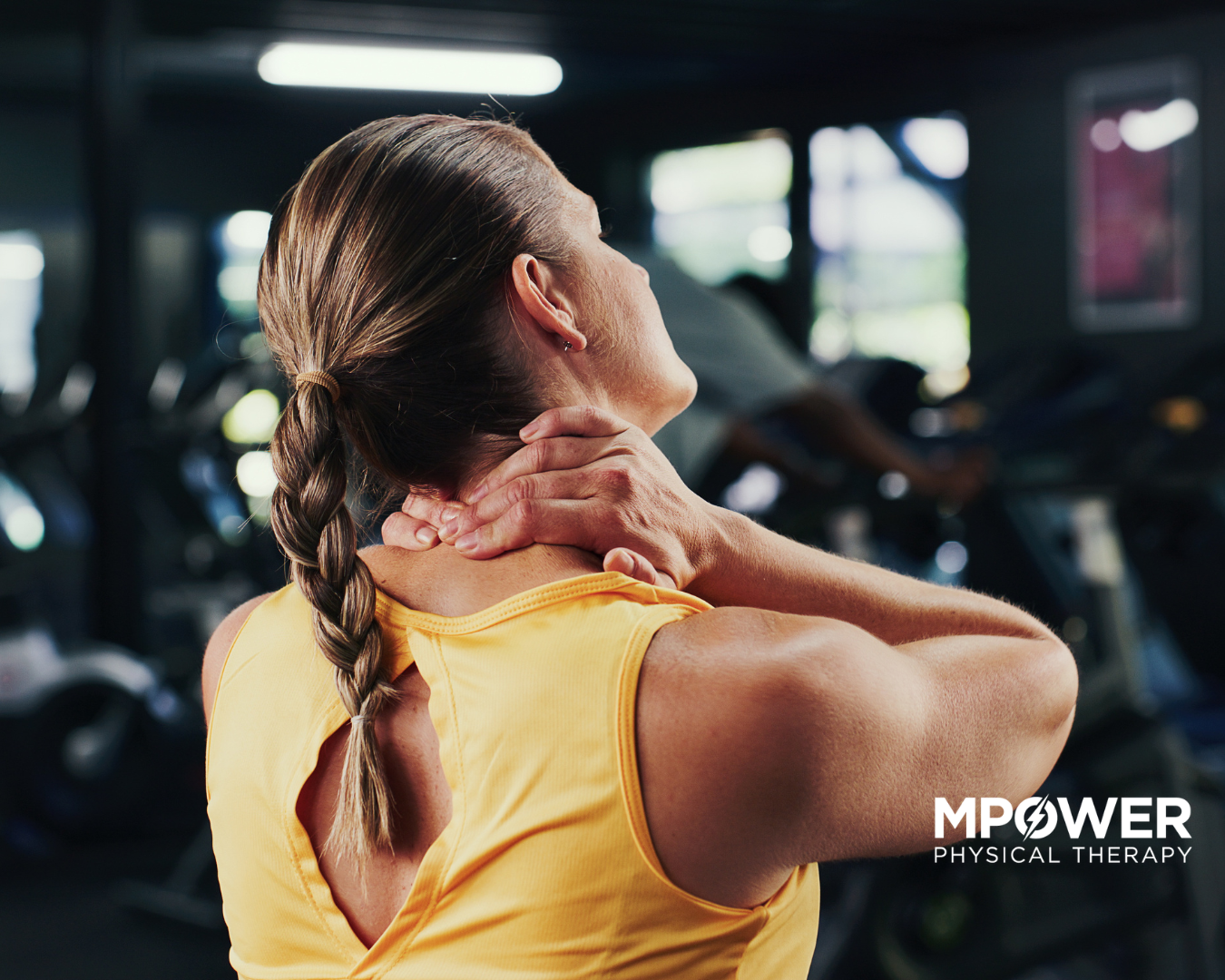
Long hours at a desk can sneak up on you. Tight shoulders, stiff neck, low-back pressure, and feeling mentally drained by midday – these are all common experiences for office employees. Even if you’re not in the gym or on the field, how your body moves throughout the workday matters. Small corrective habits can reduce discomfort, support healthy posture, and help you stay focused and energized.
Below are three simple, physical-therapist-approved routines you can do at your desk to ease tension, improve posture, and reset your mind and body.
 <
<
1. Desk Stretches for Neck and Shoulder Tension
Hours spent typing, scrolling, or leaning toward a screen can strain the muscles that support your neck and shoulders. These mobility exercises help relieve stiffness and improve movement with no equipment needed.
Neck Stretch
- Sit tall and relax your shoulders.
- Lower your chin gently toward your chest.
- Slowly rotate your head toward one shoulder. Hold for 10 seconds.
- Return to center and rotate toward the other shoulder.
- Repeat 3 rounds per side.
Shoulder Rolls
- Lift your shoulders toward your ears.
- Roll them backward in a slow circle 10 times.
- Then roll forward 10 times.
These two stretches take under a minute and help reduce tension signals that build throughout the day.

2. Breathing Techniques for Stress & Muscle Relaxation
Physical tension and stress go hand-in-hand. Intentional breathing supports your nervous system, decreases muscle tightness, and improves focus.
Pursed Lip Breathing
- Sit upright and let your shoulders drop.
- Inhale through your nose for 2 counts.
- Purse your lips as if you were going to whistle and exhale slowly for 4 counts.
- Repeat for 1–2 minutes.
- Pursed lip breathing is great for managing stress between tasks or meetings.
Equal Breathing
- Inhale through your nose for 4 counts.
- Exhale through your nose for 4 counts.
- Optional: Pause briefly after inhale/exhale.
- Continue for 3–5 minutes, focusing on slow, steady rhythm.

3. Quick Posture Fixes for Spine & Shoulder Alignment
Poor sitting posture can lead to rounded shoulders, tight chest muscles, and forward head posture. These exercises can help counter desk posture and support a stronger spine.
Standing Chest
- OpenerStand tall, feet hip-width apart.
- Interlace your fingers behind you.
- Lift your chest toward the ceiling as you gently squeeze shoulder blades together. Hold 5 slow breaths.
- Repeat 10 times.
Child’s Pose Stretch
- Kneel with knees together and sit back toward your heels.
- Reach your arms forward and lower your forehead toward the floor.
- Hold 30 seconds to 5 minutes, breathing deeply into your ribcage.
For tighter hips, place a pillow or rolled towel between thighs and calves.
Start Small & Your Body Will Notice
You don’t need a full workout to take care of your body during the workday. Short movement breaks help reduce pain, improve circulation, and support better long-term posture.
Stick with these routines daily and your neck, shoulders, and lower back will thank you.
If you’re dealing with persistent tension, pain, or posture issues, our Nashville physical therapy team at MPower can help you improve mobility, strengthen weak muscles, and move more comfortably throughout your day.
Citations
Cronkleton, E. (2025, April 14). Posture exercises: 12 exercises to improve your posture.
Healthline. https://www.healthline.com/health/posture-exercises
Healthline Media. (n.d.). 10 breathing techniques for stress relief. Healthline.
https://www.healthline.com/health/breathing-exercise
Team, T. H. E. (2023, September 29). The Ultimate “Deskercise” routine: Stretches for the
Office. Healthline. https://www.healthline.com/health/deskercise
About the Author: Nick Flory

Related Posts
You finished a challenging workout, and now your muscles are sore. But how do you know if that soreness is [...]
Recovering from an injury can be frustrating, whether it stems from a sports accident, workplace incident, car accident, or everyday [...]

Lower back pain is one of the most common musculoskeletal conditions worldwide, affecting people of all ages and activity [...]